News, explained
The week's finance, fintech and crypto news, with the mechanism behind each story explained in plain English.
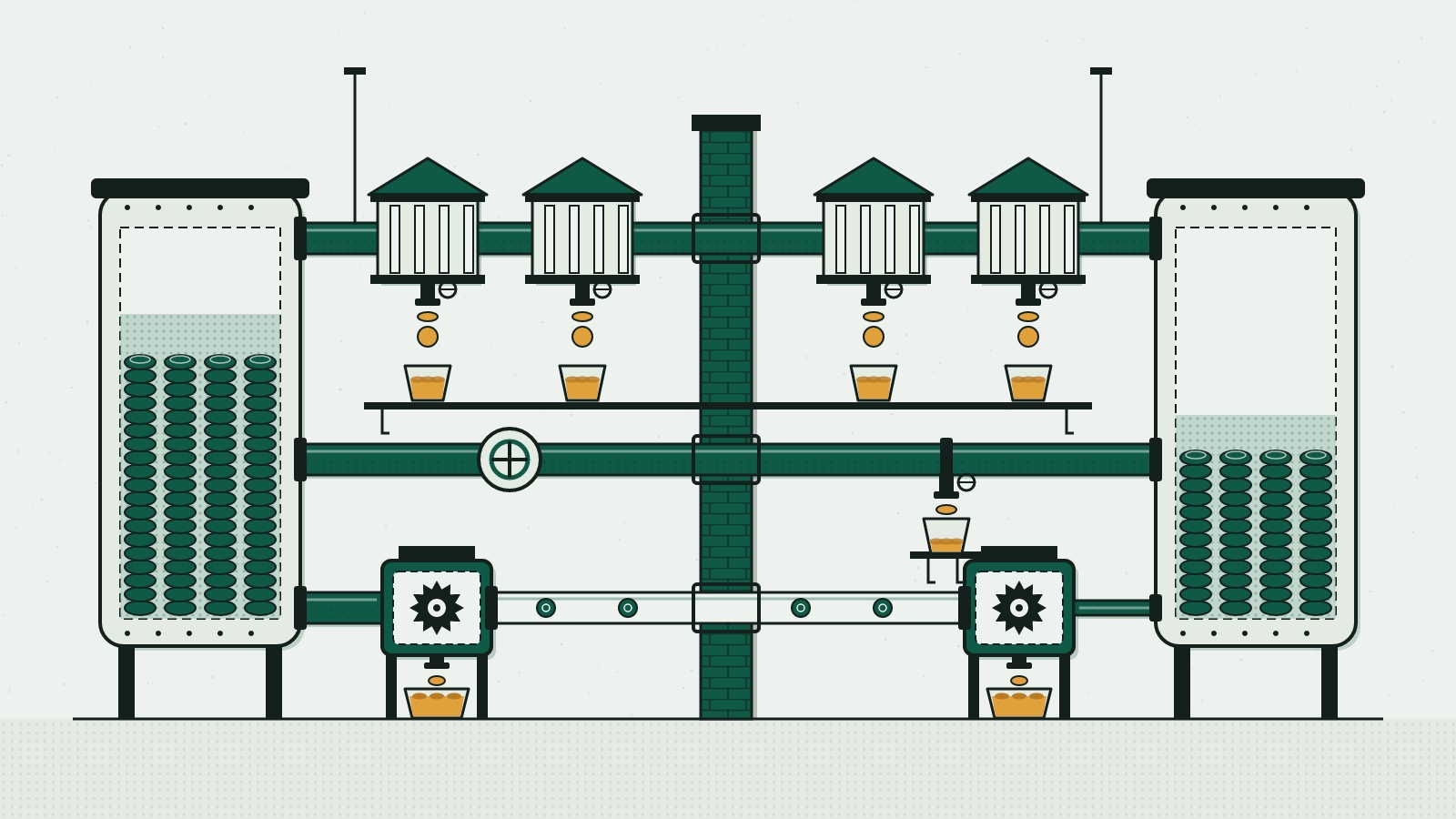
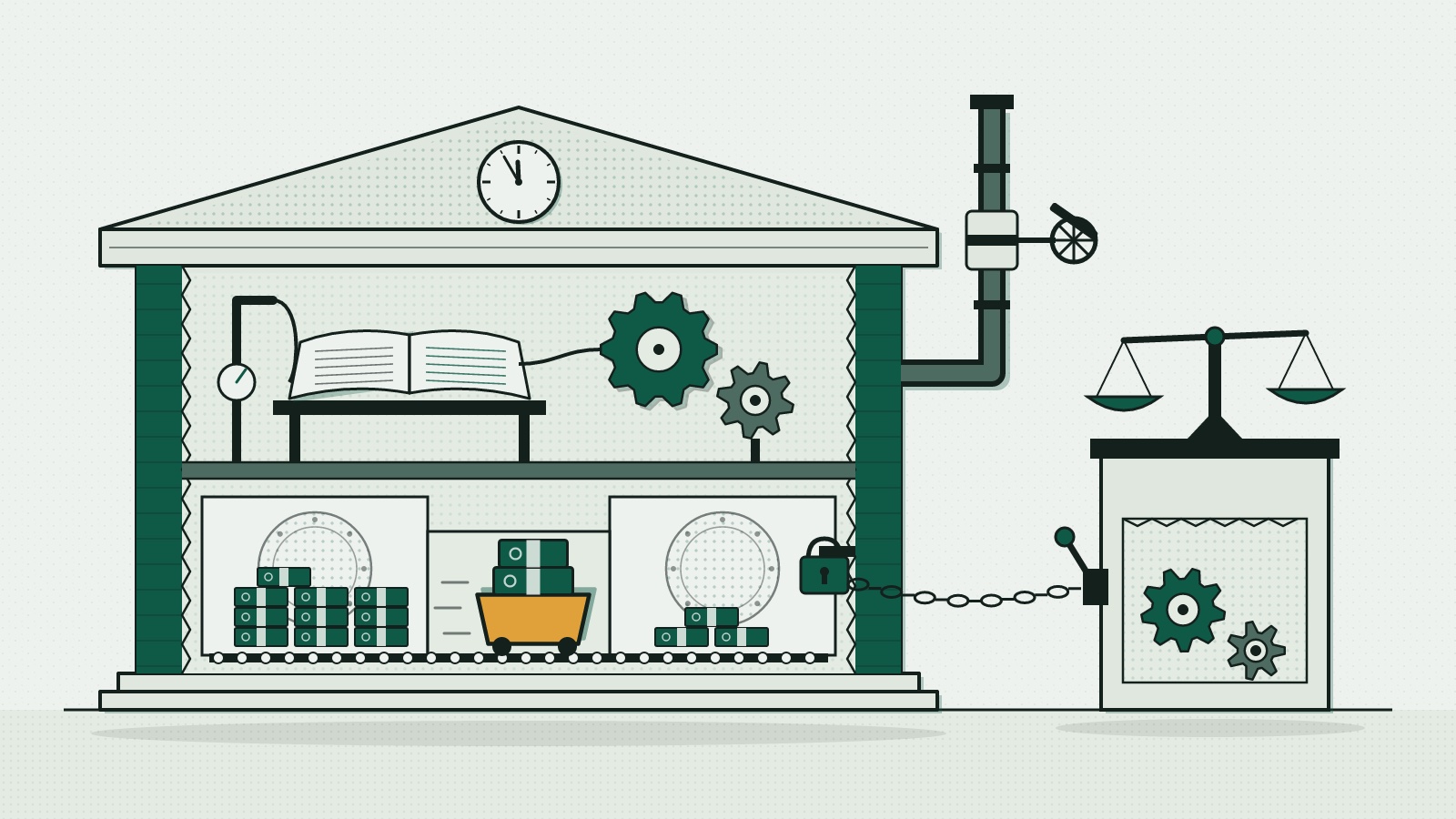
Cross-border payment costs: banks, fintechs, stablecoins
A BIS paper prices money sent abroad by bank wire, fintech and stablecoin. We break down where each rail adds cost and why stablecoins are no shortcut.
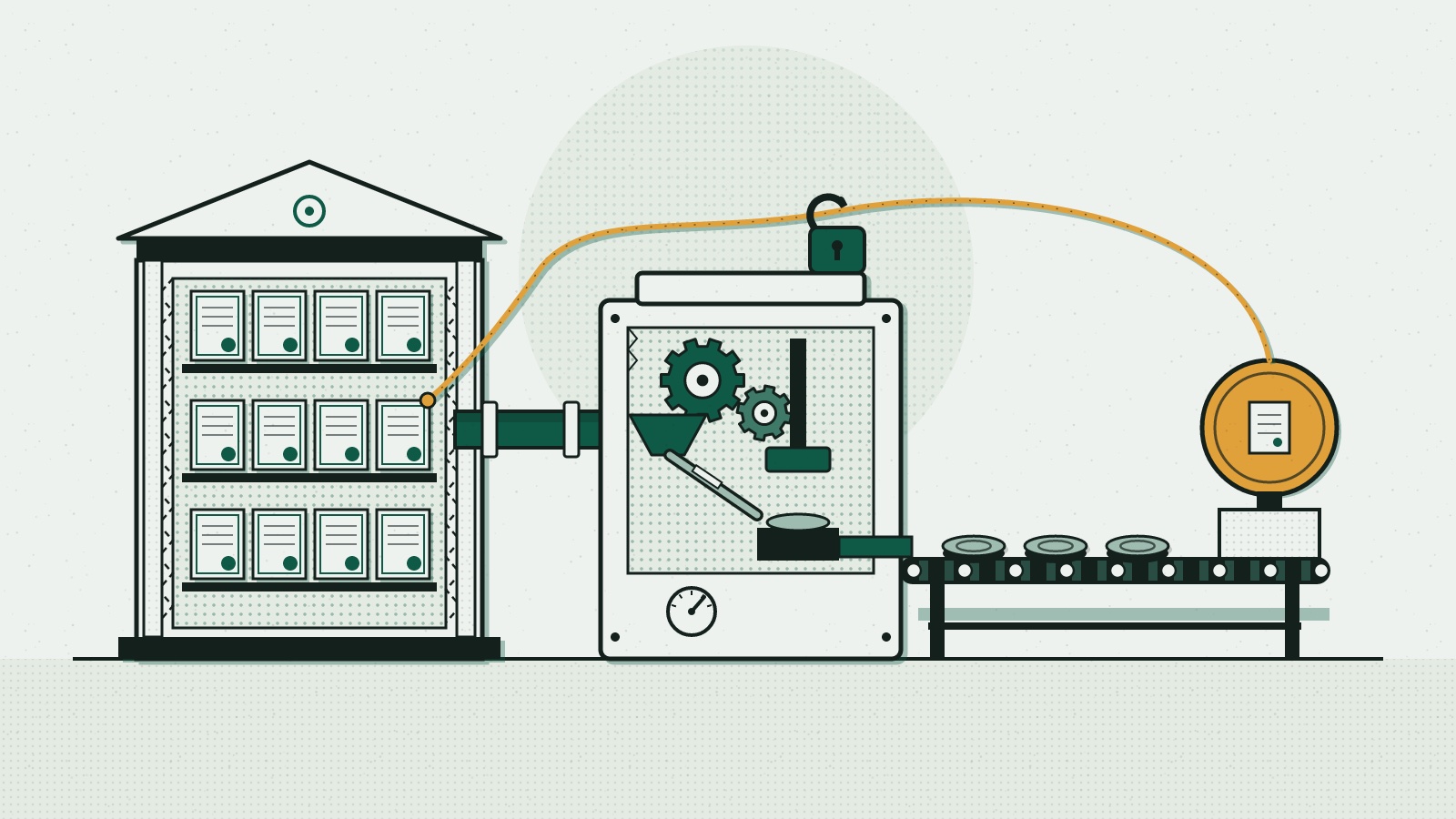
Asset tokenization: what a bStocks holder really owns
Binance's bStocks passed $1 billion in assets. We trace the chain from a token to a US share and show where issuer credit risk sits.
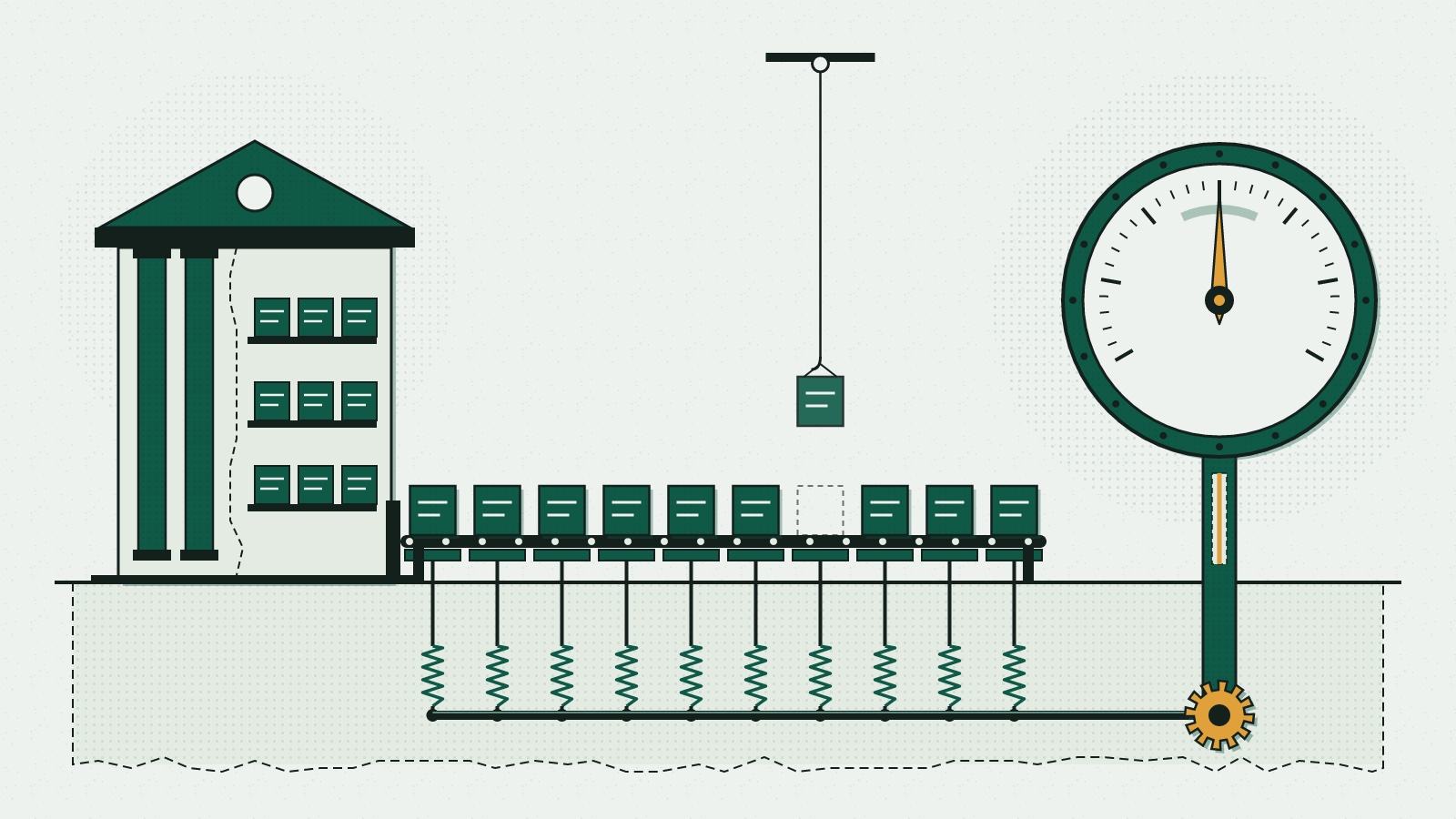
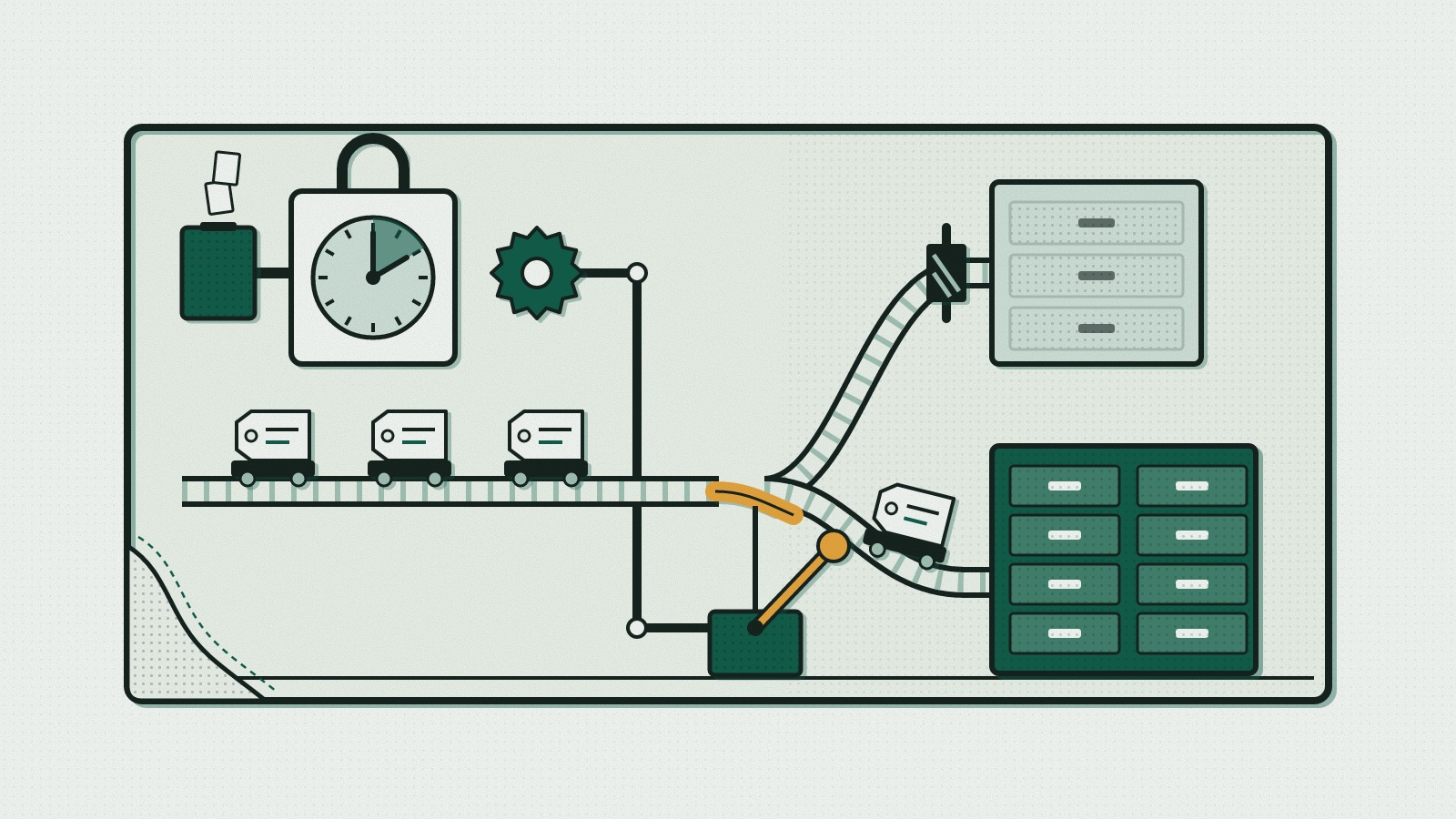
Why Basel now scores big banks on yearly averages
The Basel Committee will score G-SIBs on yearly averages, not year-end snapshots. How window-dressing works and why averaging blunts it.
How offshore forwards move emerging market currencies
A BIS paper finds offshore NDF trades push onshore exchange rates even behind capital controls. We explain how the pressure travels and why banks matter.
How bank dollars can meet crypto margin calls at weekends
N3XT joins Clear Markets' Collateralizer as a dollar custodian. We explain how cash can back derivatives margin without leaving the bank.
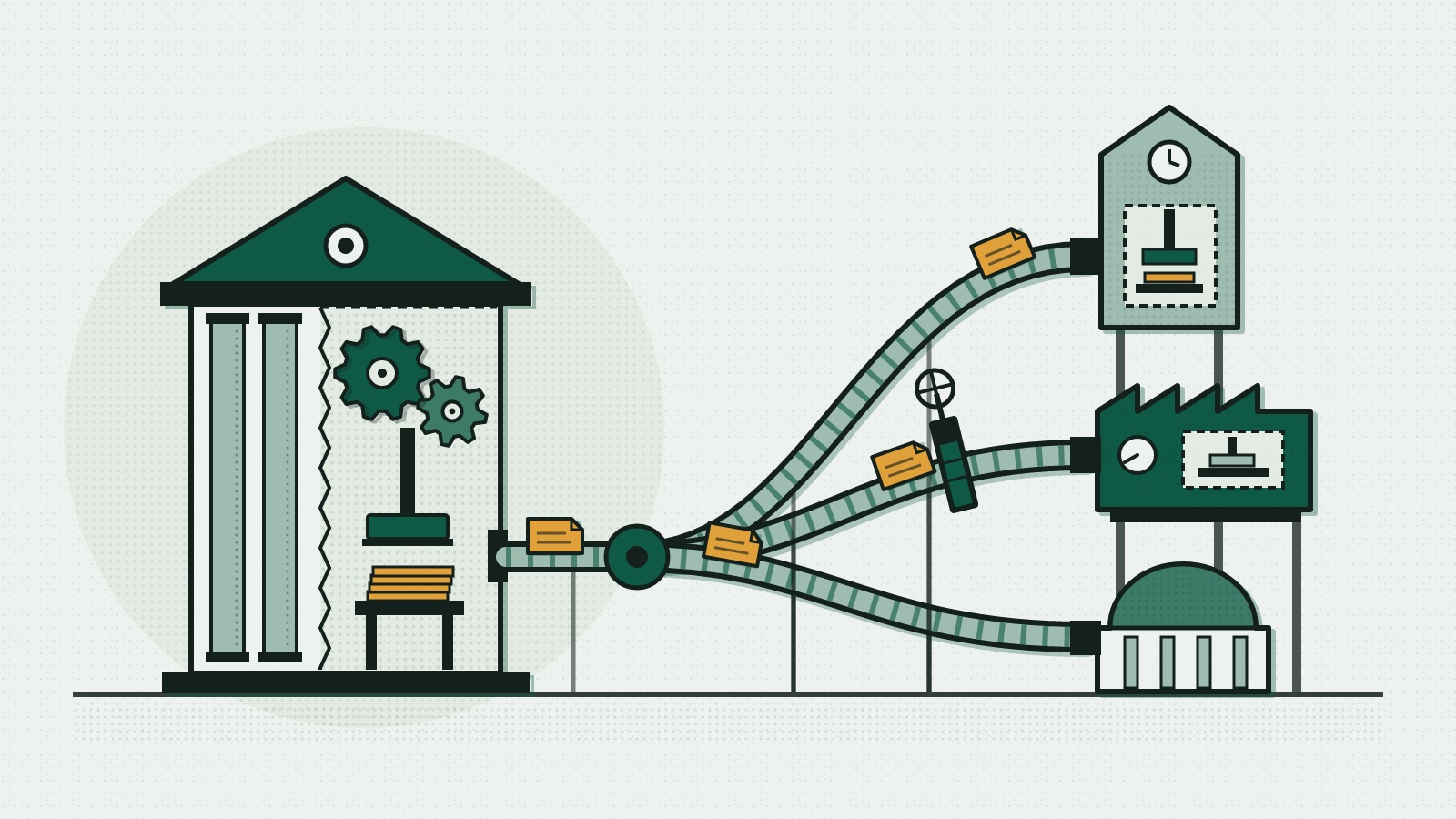
Why global finance rules land unevenly: the FSB review
The FSB proposed eight modernisation principles and found home politics and law drive uneven G20 reform adoption. How soft law works.
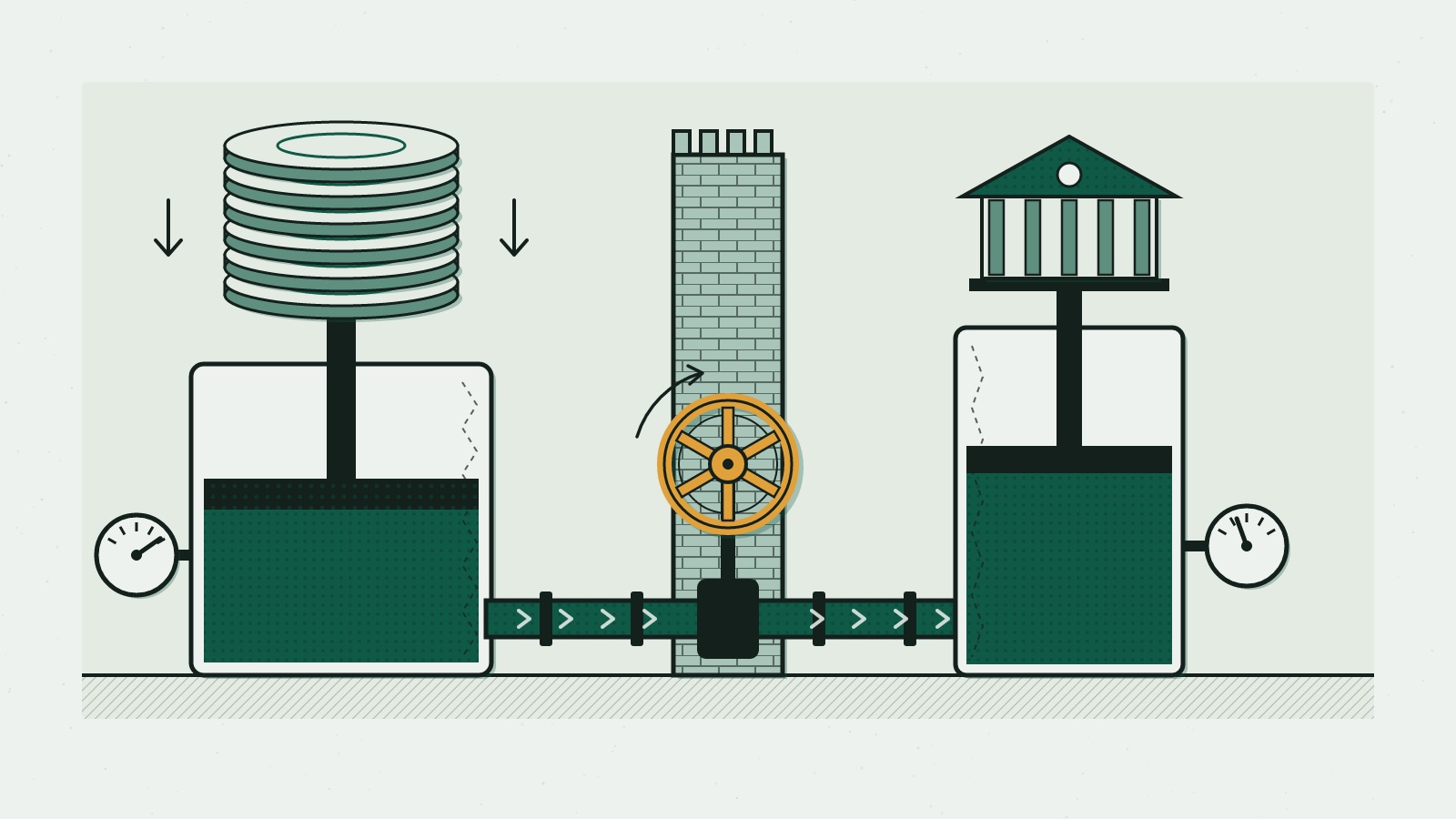
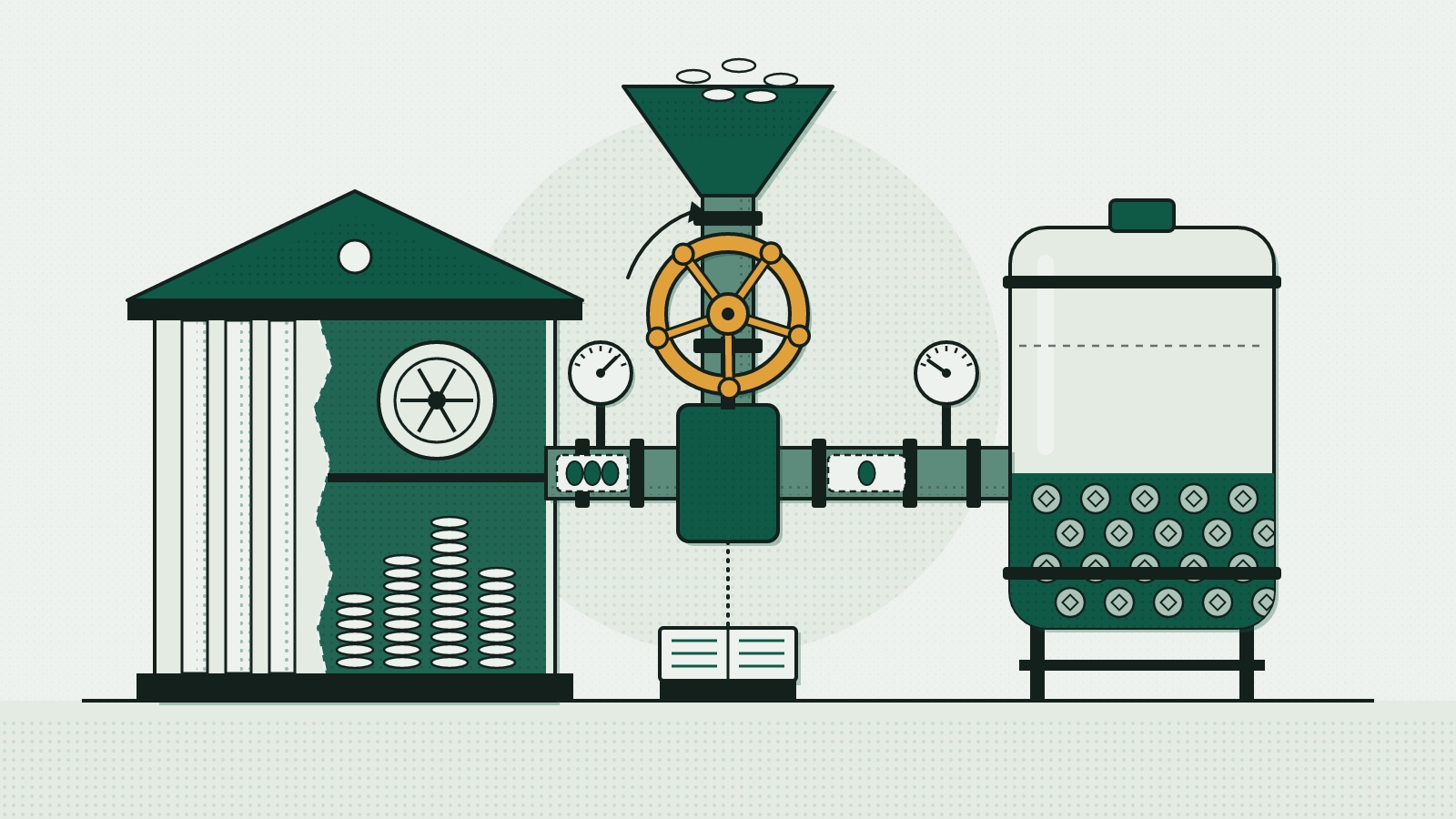
Stablecoins vs bank deposits: what a BIS study found
A BIS paper finds stablecoin growth slows when US banks pay more on deposits. We explain the deposit pricing mechanism and why central banks watch it.
How a DAO vote would switch .eth names to ENSv2
ENS Labs asked its DAO to activate ENSv2 and freeze new v1 sign-ups. We explain how the timelock upgrade works and what it means for .eth owners.
How Jeonbuk Bank lends against bitcoin it never holds
A South Korean bank made a won loan backed by bitcoin held by a custodian. We explain the custody setup and how a court sale handles a default.
Why the CFTC wants event contracts classed as swaps
The CFTC proposed adding event contracts to its swap definition and carved out sportsbooks. Here is why that legal label decides who regulates them.
American Express AML penalty: how US bank supervisors act
American Express National Bank will pay $350 million over a weak anti-money-laundering program. Here is how BSA/AML rules and consent orders work.