News analysis ·
How a DAO vote would switch .eth names to ENSv2
ENS Labs asked its DAO to activate ENSv2 and freeze new v1 sign-ups. We explain how the timelock upgrade works and what it means for .eth owners.
ENS Labs, the team behind the Ethereum Name Service, has asked the ENS DAO to switch on ENSv2 on Ethereum mainnet, Unchained reported. Doing so would halt fresh .eth sign-ups on the first v1 registrar and send them to the new system. This article explains how a DAO can rewire a live registry in one transaction, and what actually changes for people who already own a .eth name.
What happened
Founder Nick Johnson, using the nick.eth handle, put up an executable proposal on Oct. 11 in the forum where ENS governance is discussed. According to Unchained, the plan groups 15 timelock calls so they execute as one atomic transaction. No voting date has been set, and Unchained found no linked Tally or Snapshot ballot at the time of its report.
The idea is not new. Back in 2024, ENS Labs framed ENSv2 as a migration to a layer 2 network. According to the current plan, every v2 contract already lives on Ethereum mainnet instead, so what remains is switching it on and switching the old path off.
How this works: registrars, controllers and a timelock
ENS is a set of smart contracts that map readable names to addresses and other records. A registrar is the contract that records who owns which .eth name. Controllers are separate contracts that the registrar trusts to register or renew names on its behalf. Whoever owns the registrar decides which controllers are allowed.
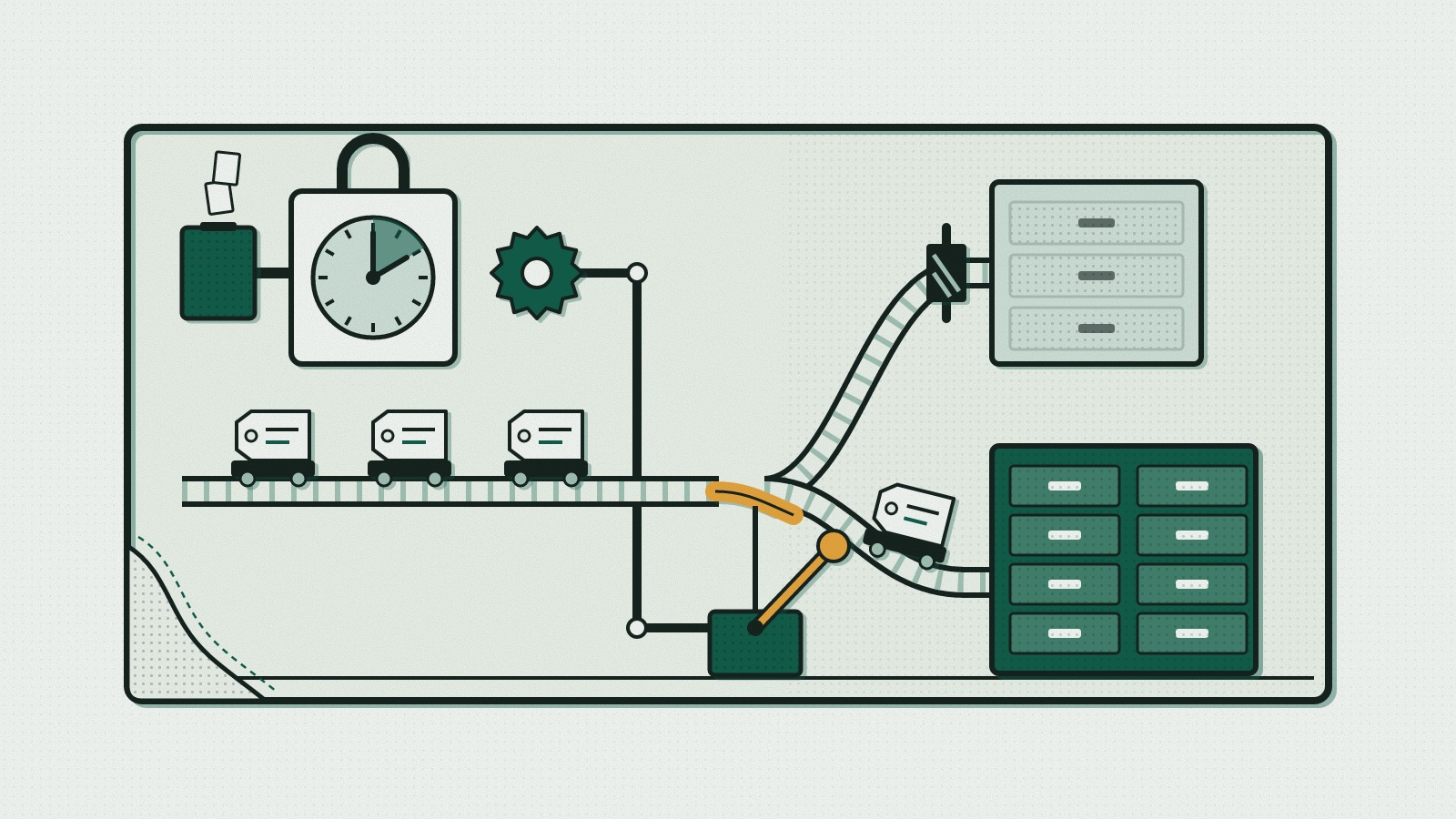
The DAO, a group of token holders who vote on changes, acts through a timelock: a contract that executes approved instructions after a waiting period. Because the timelock owns key contracts, a passed proposal can change them directly. In this case the bundle would do the following:
- Remove all five controllers currently authorized on the v1 BaseRegistrar.
- Add back only two: ETHRenewerV1, a contract that renews names with an existing v2 reservation, plus a Graveyard contract allowed to collect names whose grace period has run out.
- Hand ownership of the v1 registrar to ETHRenewerV1, which per the proposal has no power to create names or approve new controllers.
- Run all of it as one atomic transaction, meaning every step succeeds together or none of them takes effect.
Only one of the five activation stages needs a DAO vote. The others are commitments by ENS Labs, outside the onchain vote. The last stage is for ENS Labs to renounce admin control of the v2 contracts, leaving the DAO timelock in charge. Registration fees on v2 already flow to the timelock, the owner of the contracts that handle fees from the day they were deployed.
What changes for .eth owners
For most holders, nothing has to happen. Existing names keep working, and there is no deadline to migrate. Anyone who wants to switch can use the ENS app to migrate at a time of their choosing. Any name already expired beyond its grace window stays behind, and it becomes available on v2 for anyone to claim.
The rules on expiry do change. ENSv2 cuts the grace period after expiry to 28 days from 90. To make up for that, every name receives 62 additional days on its v2 expiry. There will also be a short pause: neither v1 nor v2 accepts registrations from the moment of execution until v2 is running, a window the proposal expects to last a few hours.
One choice is permanent. As the proposal puts it, "The v1 freeze is reversible; migrating a name is not". Another executable proposal could bring the v1 controllers back, but tokens that have moved to v2 cannot be sent back.
The tradeoffs the proposal admits
The post lists costs as well as benefits. The main one is losing an emergency route on v1 that allows one named controller to shut off a registrar controller with no vote needed. A shortcut like that can act quickly, while a DAO vote and timelock delay take time.
Open questions
Unchained's report does not say when the vote will happen or what level of support is expected. It does not say how lookups will behave for names that stay on v1 for years, or how many names have already been reserved on v2. And because the steps outside the vote rest on ENS Labs commitments, holders will want to see each one carried out. As with any smart contract upgrade, new code carries the risk of bugs that were not caught before launch.
Sources
- Unchained, 12 Oct 2026
How this post was made: an AI model drafted it from the sources listed above, and software checks ran before it went live without a human edit. Every figure has to match a listed source and no sentence is copied. It explains how the mechanism works; it is not investment advice.