Section
Finance
Crypto did not replace the financial system — it grew up beside it and is now being plugged into it. To understand the headlines you need the basics of the system it plugs into.
9 pages in this section

A guide to this section
What does the finance section cover?
Crypto is being connected to the mainstream financial system through custody at regulated firms, tokenized funds and central bank work on digital currencies. This section explains the parts of that system you need to follow the headlines: how money is created, how inflation is measured, how interest rates are set and which legal protections come with each kind of asset.
What is a sensible reading order?
- How banks create money, then inflation and interest rates — the core of how money works.
- Compound interest and disclosure rules and money market funds — how savings products are described and regulated.
- Stocks, bonds and crypto compared and crypto custody — what legal protection comes with each.
- CBDCs and tokenized real-world assets — where traditional money and blockchain technology meet.
Which ideas and limits matter most?
- Inflation is measured, not guessed. The BLS defines the Consumer Price Index as a measure of the average change over time in the prices consumers pay. The Federal Reserve’s longer-run goal of 2 percent uses a different gauge, the PCE price index.
- Insurance has a boundary. FDIC insurance covers bank deposits within its limits, but not crypto assets, stocks or mutual funds.
Sources for this guide
- US Bureau of Labor Statistics, Consumer Price Index Frequently Asked Questions — bls.gov (accessed 13 October 2026)
- Federal Reserve Board, Why does the Federal Reserve aim for inflation of 2 percent over the longer run? — federalreserve.gov (accessed 13 October 2026)
- FDIC, Understanding Deposit Insurance — fdic.gov (accessed 13 October 2026)
All Finance pages
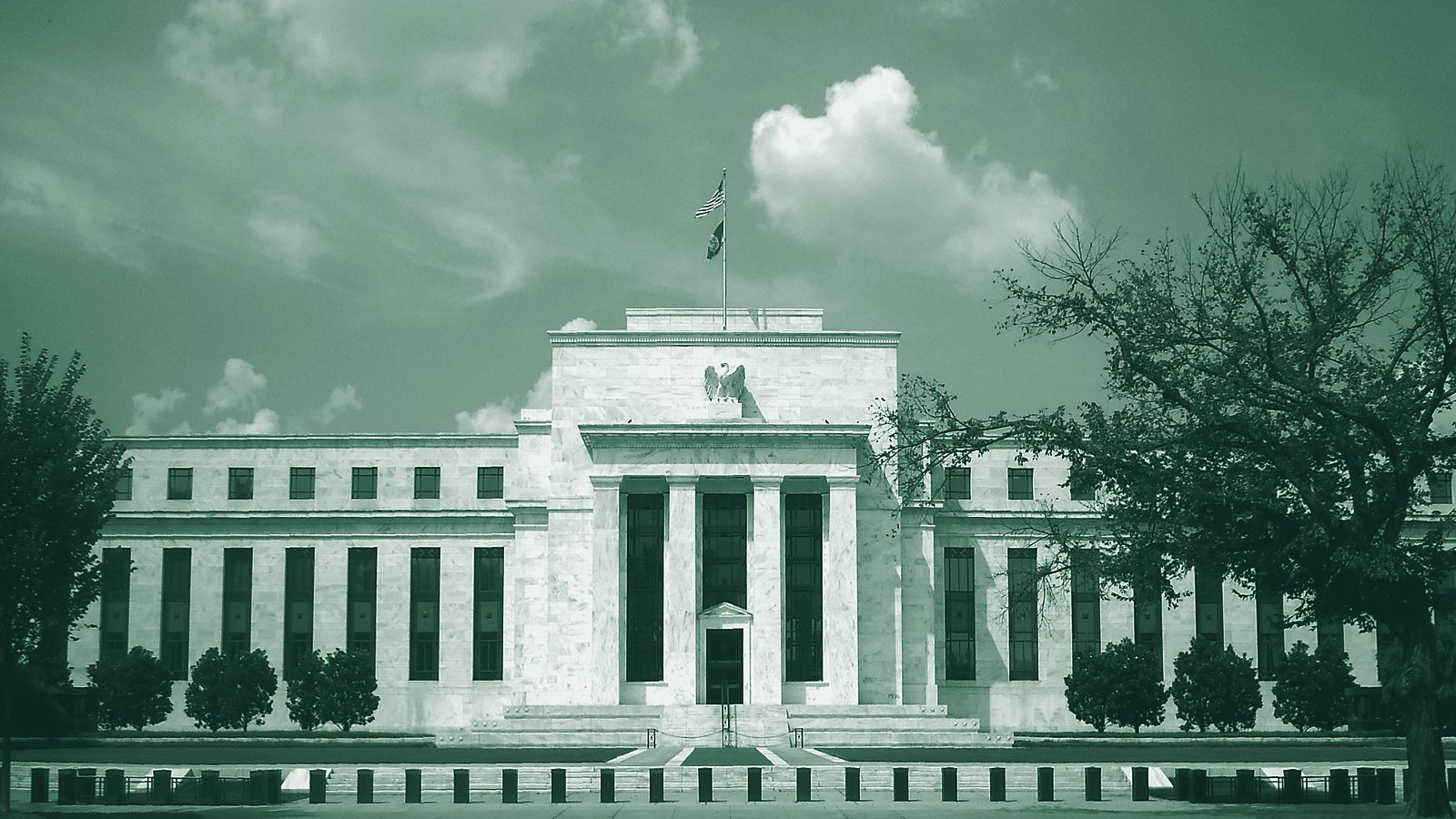
Finance · ExplainerHow do interest rates work, and who decides them?An interest rate is the price of money over time. Central banks set one key rate, and almost every loan, savings account and bond price you see moves in its shadow.
Finance · ExplainerWhat is a central bank digital currency (CBDC)?A CBDC would put central bank money, today available to the public only as notes and coins, into a digital wallet. Most central banks are studying the idea; very few have gone live.
Finance · ExplainerIf a firm holds your crypto, what legal protection do you have?Handing your keys to a firm swaps one risk for another. Whether you get anything back after a hack or bankruptcy depends on law and contract, not on the app's balance screen. This page sets out what the rules cover and where they stop.
Finance · ExplainerWhat is inflation, and why does it shrink the value of your money?Inflation is the slow rise in the general price level that makes each dollar, euro or pound buy a little less every year. Understanding how it is measured makes headlines, savings rates and central bank decisions much easier to read.
Finance · ExplainerStocks, bonds and crypto: which legal protections come with each one?A share, a bond and a token can sit in the same app, but the law treats them very differently. This page compares the rights and safety nets you get with each, not their likely returns.
Finance · ExplainerWhat is a money market fund, and is it as safe as a bank account?Money market funds are where many people and companies park cash they may need soon. They are built to be steady, but they are investments, not bank deposits, and that difference matters most in a crisis.
Finance · ExplainerHow do disclosure rules handle compound interest, and where do they stop?Compounding is simple maths. The legal question is how a provider must tell you about it. US deposit rules answer that precisely; crypto products mostly do not fall under them at all.