 Policy · ExplainerWhat is MiCA, and how does the EU regulate crypto-assets?Since the end of 2024 one law has set the ground rules for crypto issuers and service providers across the European Union. Here is what it covers and what changed when its transition ran out in July 2026.7 min read
Section
Policy
Regulation decides whether you get your money back when a platform fails. This section explains the main rulebooks and the agencies behind them, citing the legal texts.
13 pages in this section
Policy · ExplainerWhat is MiCA, and how does the EU regulate crypto-assets?Since the end of 2024 one law has set the ground rules for crypto issuers and service providers across the European Union. Here is what it covers and what changed when its transition ran out in July 2026.7 min read Policy · ExplainerWhat is the GENIUS Act, and how does it regulate stablecoins in the US?In July 2025 the United States got its first federal law written specifically for stablecoins. It decides who may issue them, what must back them and what holders can expect, but much of it depends on rules still being written.7 min read
 Policy · ExplainerSEC vs CFTC: which US regulator is in charge of crypto?For years the answer to "who regulates crypto in America?" was "it depends". In 2026 the two main market regulators published a shared map, but Congress has not yet written the split into law.6 min read
Regulator profiles
All Policy pages
 Policy · ExplainerWhat is the Howey test, and how does it decide if a crypto token is a security?A 1946 Supreme Court case about land and service contracts still decides whether many crypto tokens are securities in the United States. Here is how the test works and how the SEC used it in its 2026 crypto interpretation.
 Policy · ExplainerWhat is the FATF Travel Rule, and why does your crypto exchange ask who you are sending to?Banks have long had to pass on who is sending and receiving a wire transfer. Since 2019 the global anti-money-laundering standard has asked crypto firms to do the same, which is why exchanges now ask for a recipient's name.
 Policy · ExplainerHow is crypto taxed in the US? The IRS basics, explainedUS tax law treats crypto as property, not money, which is why swapping, spending and earning coins can all create a tax bill. General education, not tax advice.
 Policy · ExplainerHow is crypto regulated in the UK, and what changes in 2027?Today the UK regulates crypto mainly through anti-money-laundering registration and strict advertising rules. A full licensing regime has been written into law and starts in October 2027. Status as of October 2026.
 Policy · ExplainerHow do sanctions apply to crypto? OFAC, wallet addresses and the Tornado Cash caseSanctions law does not care whether money moves through a bank or a blockchain. Here is how the US Treasury applies it to crypto, and why the Tornado Cash case became a test of its limits.
 Policy · ExplainerHow do you check whether a financial or crypto firm is regulated?A licence number in a website footer proves nothing until you check it yourself. Official registers are free, public and take a few minutes. Here is which one to use and what to look for.
 Policy · ProfileWhat is the SEC, and what does it mean for crypto?The SEC is the federal agency that polices U.S. securities markets. Here is where its power comes from, how it treats crypto assets as of October 2026, and how to use its public tools.
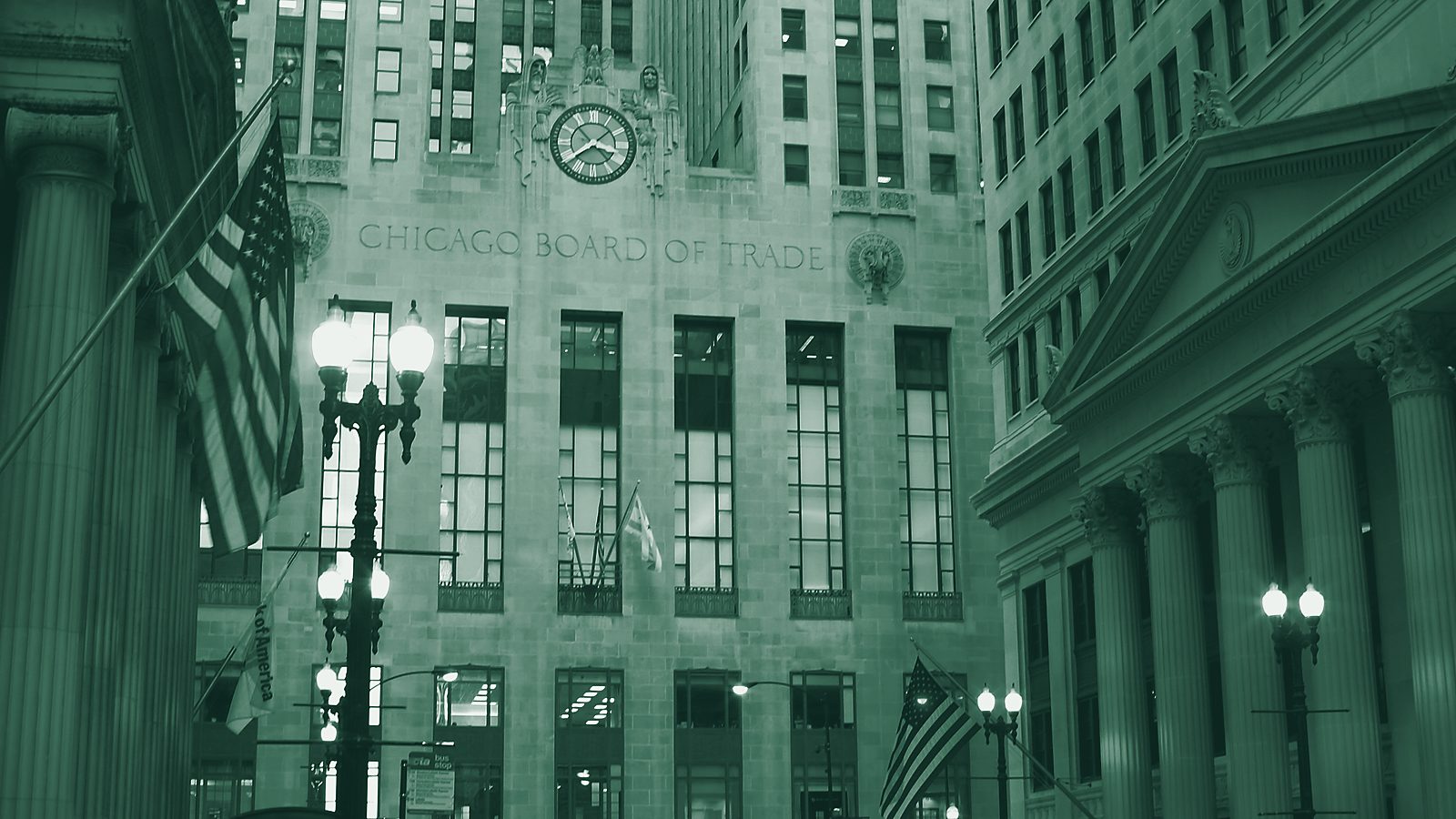 Policy · ProfileWhat is the CFTC, and where does it fit in crypto?The CFTC oversees U.S. futures, options and swaps, and since 2015 it has treated bitcoin as a commodity. Here is what it covers, what it does not, and how to use its public tools.
 Policy · ProfileWhat is the FCA, and how does it regulate crypto in the UK?The FCA polices how around 35,500 UK firms treat their customers. Here is where its powers come from, what it does with crypto as of October 2026, and how to use its register and scam tools.
 Policy · ProfileWhat is ESMA, and what does it do for crypto in the EU?ESMA is the EU's securities markets authority, based in Paris. It does not license most firms itself, but it writes much of the rulebook and keeps the EU-wide register of crypto firms under MiCA.