News analysis ·
Asset tokenization: what a bStocks holder really owns
Binance's bStocks passed $1 billion in assets. We trace the chain from a token to a US share and show where issuer credit risk sits.
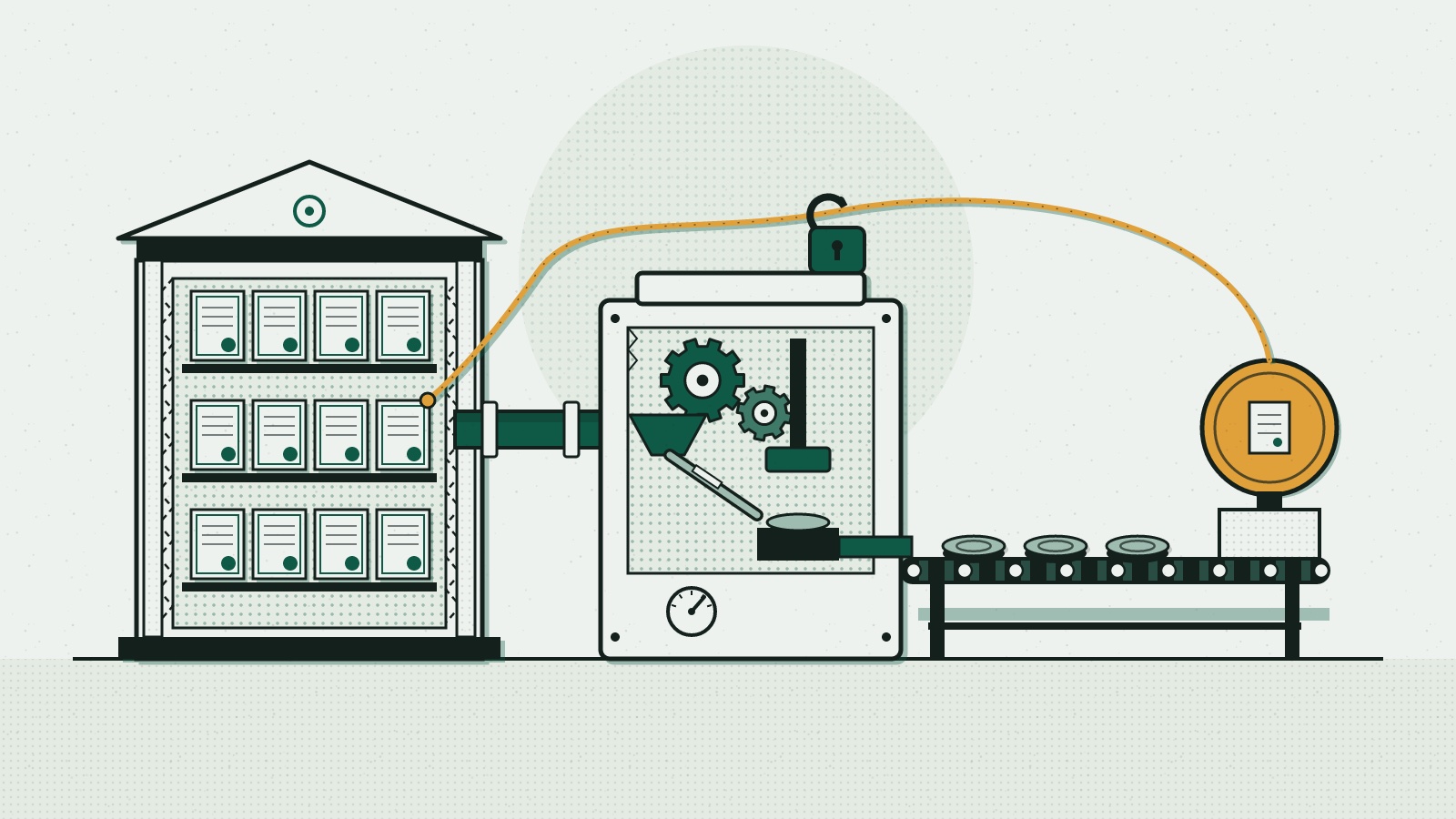
Binance says its tokenized US equities product, bStocks, now manages over $1 billion, Unchained reported. The headline number is about size. This article looks at structure: when a share is wrapped into a token, what the holder owns, and which company stands between the token and the stock.
What happened
Binance announced the milestone on Thursday, citing Dune Research onchain figures as of Oct. 15. The product started trading on June 11 with five listings, and close to 100 are listed now. Binance called bStocks the quickest tokenized equity product to reach $1 billion, but did not say which rivals it measured against. Unchained noted that no public Dune dashboard for bStocks turned up in its search.
A separate data source gives a similar picture. On Oct. 16, rwa.xyz data ranked bStocks first by value at $1.2 billion, in a tokenized stock market of about $3.5 billion. Ondo followed at $893.7 million and xStocks at $600.4 million. Binance also says users have converted $6 billion of shares in both directions, one share for one token, and that cumulative trading since launch exceeds $40 billion.
What is asset tokenization, and how does it work here?
Asset tokenization means issuing a digital token that is meant to track an asset held somewhere else, such as a share, a bond or a fund unit. The token moves on a blockchain or an exchange ledger. The asset itself stays with a custodian in the traditional system. So a tokenized stock is really two things joined by a promise: a token in your account, and a share sitting in someone else's name.
For bStocks, the chain has several links:
- The issuer: BTech Holdings, a subsidiary wholly owned by Binance, creates the tokens.
- The backing: Binance states each token has 1:1 backing from the matching security.
- Redemption: Binance says a holder can redeem for the share itself, not just its cash value.
- The legal wrapper: the offer runs solely under a prospectus that Abu Dhabi Global Market approved, and U.S. persons cannot buy the tokens.
- The disclaimer: in Binance's own wording, the tokens are not stocks or shares, and holders do not directly own a share in the company named.
That last point is the key to the whole design. A shareholder appears, directly or through a broker, in the company's chain of record. A bStocks holder does not. The holder has a contract with the issuer, and the issuer holds the shares. Whether the token is as good as the share depends on what that contract lets the issuer do with them.
Where the credit risk sits
Here is the plumbing question that a size ranking cannot answer. If the backing shares are ring-fenced, meaning legally set aside for token holders, then the holder's claim points at the stock. If they are not, the holder is mainly a creditor of the issuer, and the shares are one of the issuer's assets.
That is the concern Ethena's Risk Committee heard in August. Ethena began using bStocks as backing for its USDe stablecoin in September. Kairos Research, which wrote the review, said that without a side letter that limits the issuer's use of the backing shares, the exposure is unsecured credit to a Binance affiliate. Unsecured credit means a claim with no specific asset pledged to it: in a failure, it waits in line with other creditors. Ethena has not said whether that side letter has been signed.
A simple way to read any tokenized stock, then, is to ask three things. Who holds the shares? Are they legally separated from the issuer's own balance sheet? And can a holder actually force delivery of the share? The 1:1 ratio answers only the first question about quantity, not the questions about legal priority.
What changes, and for whom
The tokens are moving from a trading product into collateral. In September, Binance opened collateral use to every eligible user, retail included, who can post supported bStocks as margin and futures collateral, with borrowing for exposure of up to 5x. Binance says it plans to extend bStocks into hedging, margin and risk management.
Collateral use raises the stakes of the structure. Borrowing against tokens magnifies losses, and anyone using them this way can lose money, including more than they put in if positions are liquidated. When a token backs a loan or a stablecoin, any doubt about the issuer's claim on the shares feeds into other balances too. Shunyet Jan, who heads exchange and trading at Binance, framed the test this way: "The test of a tokenized stock isn’t the launch-day chart; it’s whether it still behaves like a market after the launch". Behaving like a market includes redemption working smoothly under stress, not just in calm conditions.
Open questions
Several points remain unclear from the reports. Binance has not named the products it compared bStocks against. Ondo's own $1 billion figure from May used total value locked, which is a different measure, so the rankings are not like for like. And for Ethena, the status of the side letter is still undisclosed.
The broader question is legal rather than technical. A token can copy a share's price. Whether it copies a shareholder's protections depends on custody terms, the prospectus and the issuer's obligations, which readers should check before treating the two as the same.
Sources
- Unchained, 16 Oct 2026
How this post was made: an AI model drafted it from the sources listed above, and software checks ran before it went live without a human edit. Every figure has to match a listed source and no sentence is copied. It explains how the mechanism works; it is not investment advice.