News analysis ·
Shin takes the BIS CPMI chair: how payment rules form
Bank of Korea governor Hyun Song Shin now chairs the BIS payments committee. How the CPMI sets standards for payment, clearing and settlement.
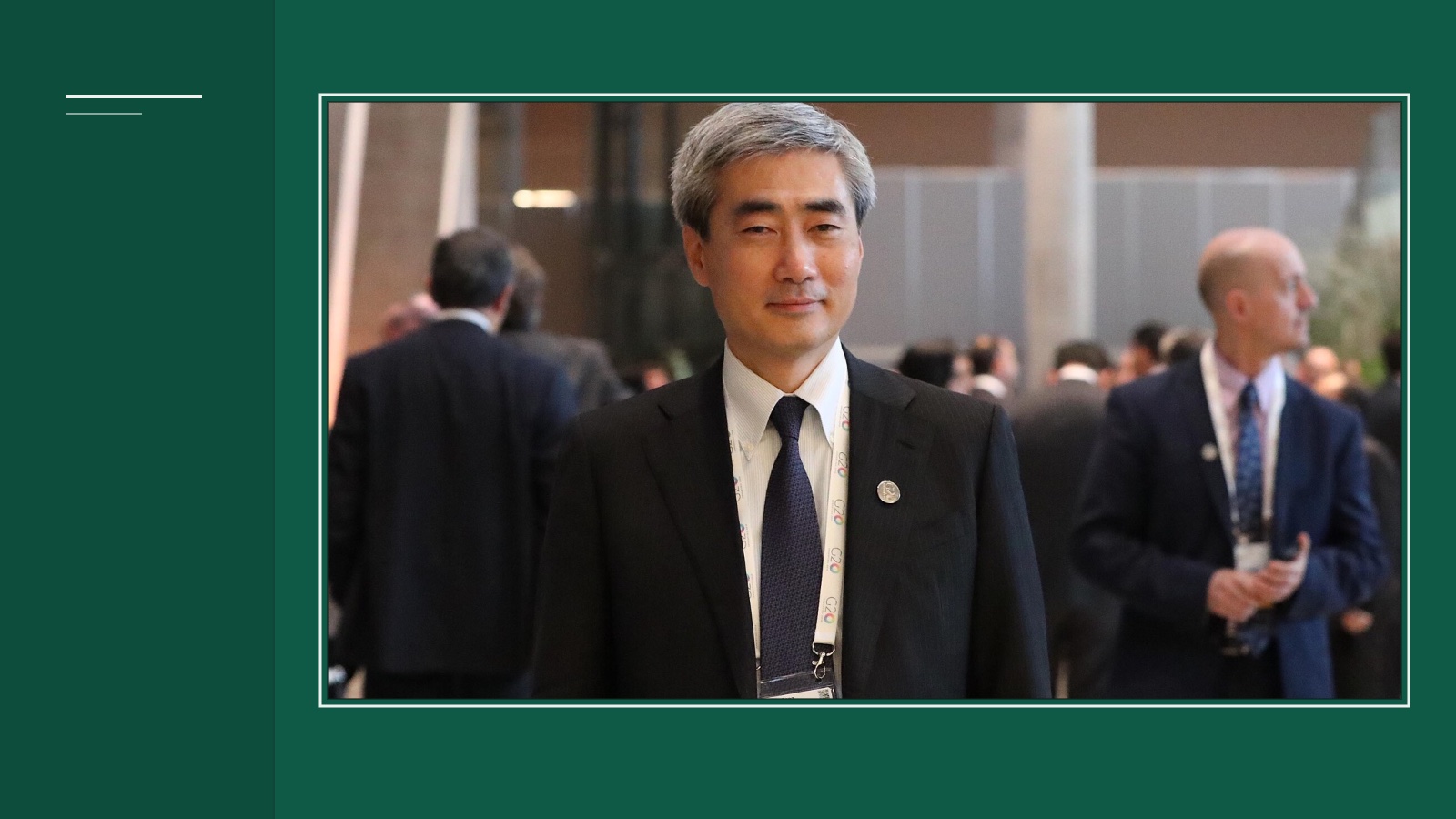
Hyun Song Shin, governor of the Bank of Korea, now leads the CPMI, the BIS announced. The initials stand for Committee on Payments and Market Infrastructures. The appointment sounds like a routine personnel note, but the committee he now leads writes the shared playbook that central banks use for the systems that move money and securities. This article explains what that committee is, how its chair is chosen, and what the change does and does not alter.
What happened
According to the BIS, the central bank governors who meet in its Global Economy Meeting picked Shin to lead the committee, known as the CPMI. The post runs for three years and can be renewed. Shin took up the role on 1 November 2026. He replaces Fabio Panetta, who governs the Bank of Italy and also chairs the BIS Board of Directors.
The same announcement covered a second, regional post. The BIS board extended the mandate of Bank of Canada governor Tiff Macklem as head of its Consultative Council for the Americas until 31 March 2027. From 1 April 2027, Santiago Bausili, governor of Argentina's central bank, will take over that chair for two years.
How this works: a committee that writes rules nobody is forced to follow
The BIS, or Bank for International Settlements, is often called the bank for central banks. It does not supervise commercial banks or payment firms itself. Instead it hosts committees where central bankers agree on common approaches. The CPMI is the one focused on plumbing: payment systems, clearing houses and settlement systems, the machinery that turns a promise to pay into money or securities actually changing hands.
The chain from committee to real-world rule runs roughly like this:
- Monitoring: member central banks share what is changing in payment, clearing and settlement systems around the world.
- Analysis: the committee studies the risks, for example what happens if a large clearing house fails or a new type of payment spreads quickly.
- Standards and guidance: it drafts international principles describing how such systems should be run and overseen.
- Adoption at home: each national central bank or regulator decides how to write those principles into its own rules and supervision.
The key point is that the last step is voluntary in law but strong in practice. A standard set at the BIS carries no direct legal force. It becomes binding only when a national authority adopts it. Because the people drafting the standards are central bankers, the same kind of officials who oversee domestic systems, they have a reason to see the standards adopted.
How the chair is chosen, and why it matters
The BIS says the decision was taken by the governors in the Global Economy Meeting, a gathering of heads of central banks. It was a choice made by central bankers, not a public vote. A chair sets the agenda, steers which topics get studied first and speaks for the committee in public. A renewable three-year term gives enough time to carry a work programme from early analysis to published guidance.
This handover also moves the chair from a European central bank to an Asian one. The announcement does not say whether Shin plans to change the committee's priorities, so any shift in focus is something to watch rather than assume.
The regional layer: the Consultative Council for the Americas
Alongside global committees, the BIS keeps regional advisory bodies. The Consultative Council for the Americas dates from May 2008 and advises the BIS board. Its members are the heads of the eight central banks in the Americas that belong to the BIS: the United States, Canada, Mexico, Brazil, Argentina, Chile, Peru and Colombia. Its secretariat sits in the BIS Representative Office for the Americas in Mexico City.
Such councils give a region a structured channel into BIS decision-making. The chair rotation announced here keeps that channel running without a gap: Macklem stays on until the end of March 2027, and Bausili starts the next day.
What changes, and for whom
For a person paying a bill or holding a stablecoin, nothing changes overnight. No rule was issued in this announcement. The effect, if any, comes later and indirectly, through the standards the committee chooses to write or update and through how national authorities adopt them.
The people most directly affected are those who run or oversee payment systems, clearing houses and settlement platforms. They have reason to follow the committee's output closely, because it can signal what their own supervisors may expect. Anyone building new payment rails, including token-based ones, has the same reason to pay attention.
Open questions
The BIS announcement is short. It does not set out the committee's work plan under its new chair, does not say which current projects will be prioritised, and does not explain why the Americas council mandate was extended rather than handed over sooner. Those answers will show up in what the committee publishes over the coming term.
Sources
- BIS, 10 Nov 2026
How this post was made: an AI model drafted it from the sources listed above, and software checks ran before it went live without a human edit. Every figure has to match a listed source and no sentence is copied. It explains how the mechanism works; it is not investment advice.